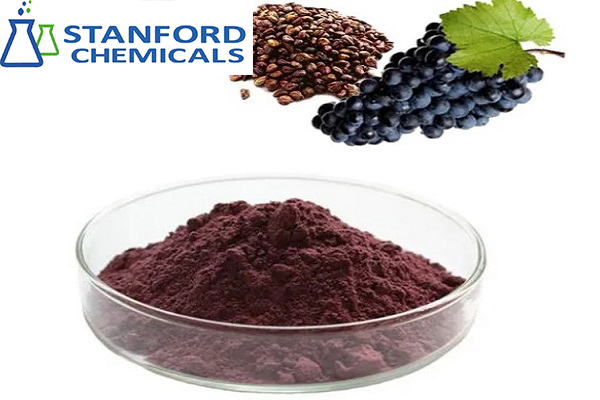
HA6969 Epigallocatechin Gallate Powder (EGCG)

About This Item

Catalog No.
HA6969
Parameter Value
Material Epigallocatechin Gallate
CAS Number 989-51-5
Molecular Formula C22H18O11
Purity ≥95% (HPLC)
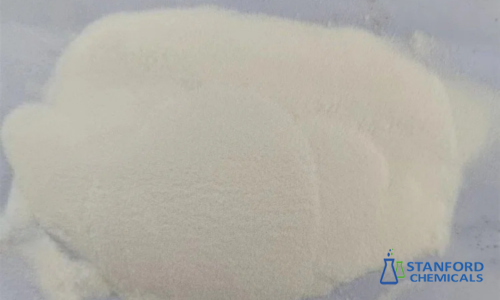
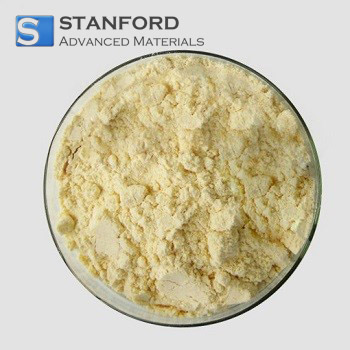
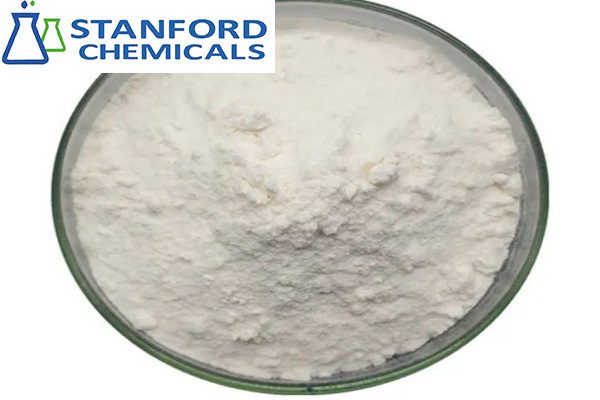
Appearance Off-White Powder

Related Products: Glycyrrhetinic Acid PowderAmmonium Iron (III) CitrateDeglycyrrhizinated Licorice Powder (DGL)Astaxanthin Powder

Quantity

kg

Technical Service

Need help? Our team of experienced scientists is here for you.

Description

Epigallocatechin Gallate Powder (EGCG) Description

Epigallocatechin Gallate (EGCG) Powder is a fine, off-white to pale beige crystalline solid derived from green tea leaves. As the most abundant and bioactive catechin, it contains eight hydroxyl groups that confer exceptional antioxidant capacity. This polyphenol is water-insoluble but soluble in ethanol/alkaline solutions. It exhibits strong UV absorption (~273 nm) and demonstrates thermolability, degrading above 60°C. Its stability is pH-dependent, with optimal preservation in acidic conditions.

1. Chemical & Physical Properties

Chemical Name Epigallocatechin Gallate
Molecular Formula C₂₂H₁₈O₁₁
Appearance Off-white to pale beige crystalline powder
Organoleptic Properties Slightly bitter taste, minimal odor


2. Structural Characteristics

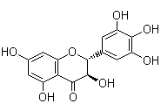
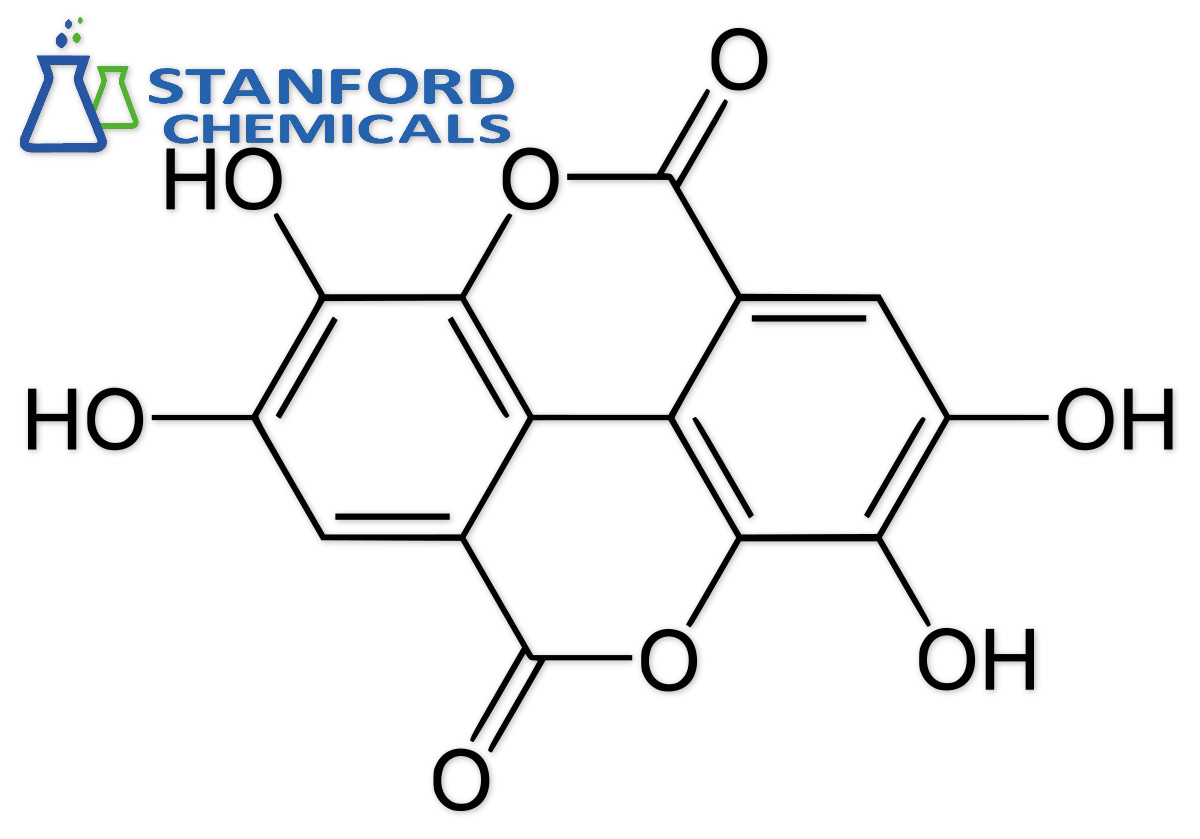
    • Molecular Structure: Gallocatechin backbone with eight hydroxyl groups
    • Crystallography: Planar geometry facilitating π-π stacking interactions
    • Spectroscopic Data:
        • UV-Vis: Characteristic absorption maxima at 230 nm and 273 nm (conjugated ring systems)
        • FTIR:
          • 3200–3500 cm⁻¹ (hydroxyl stretch)
          • 1690 cm⁻¹ (ester carbonyl)
          • 1600 cm⁻¹ (aromatic C=C bonds)
  1. Physicochemical Parameters
Property Value / Characteristics
Solubility Low in water; soluble in ethanol, methanol, DMSO, acetone
Thermal Stability Decomposition onset at ~60°C; significant degradation >100°C
Bulk Density ~0.45 g/cm³
Particle Size 5–50 μm (typical distribution)


  1. Stability & Storage
    • Sensitivity: Oxygen-, light-, and temperature-sensitive
    • Optimal Storage-20°C under inert atmosphere (months-long stability)
    • Degradation Pathways:
      • Alkaline hydrolysis (pH-dependent)
      • Oxidation (accelerated by heat/light)
      • Epimerization & dimerization (at room temperature)
  1. Functional Properties
  • Antioxidant Activity: pH-dependent, peaking in mildly acidic conditions
  • Free Radical Scavenging: Enhanced by hydroxyl group arrangement

EGCG – Industrial & Biomedical Applications

1. Pharmaceuticals & Biomedicine

    • Anticancer Therapy:
      • Induces apoptosis via p53 activation
      • Inhibits tumor angiogenesis (VEGF suppression)
    • Nephroprotection: Attenuates renal ischemia-reperfusion injury via Wnt/β-catenin pathway modulation
    • Antiviral Agent: Targets HIV-1 reverse transcriptaseHCV NS3 protease, and influenza neuraminidase


2. Food & Beverage Industry

  • Emulsion Stabilizer: Inhibits oil droplet coalescence in starch-based gels (e.g., waxy maize)
  • Antioxidant DeliveryZein/chitosan nanoparticle encapsulation for sustained release in lipid-rich foods

3. Cosmetics & Personal Care

  • Anti-AgingCollagenase inhibition (reduces wrinkles)
  • Skin BrighteningTyrosinase suppression (melanin reduction)
  • UV Protection: Acts as a natural photoprotectant

4. Materials Science

  • Corrosion Resistance: Forms metal-polyphenol complexes on MgZnMn alloys for biomedical implants
  • Polymer Crosslinking: Enhances biodegradability in food packaging & medical polymers

5. Agriculture & Veterinary Use

  • Biopesticide: Controls Plasmopara viticola (grapevine downy mildew)
  • Aquaculture Feed Additive: Boosts disease resistance in fish (e.g., trout)

6. Nutraceuticals & Supplements

  • Weight Management: Modulates lipid metabolism
  • Antioxidant Formulations: Encapsulated in tablets, capsules, and powders

7. Advanced Delivery Systems

  • Mucoadhesive NanocarriersNanocube sprays for oral submucous fibrosis treatment
  • Transdermal Nanoparticles: Improves skin permeation & bioavailability


Epigallocatechin Gallate Powder (EGCG) FAQs

Q1. Is EGCG safe?

At typical supplemental doses (100–400 mg/day), EGCG is generally safe. High doses (>800 mg/day) may cause liver enzyme elevations in sensitive individuals. Contaminants like heavy metals can occur in low-purity products, so pharmaceutical-grade material is recommended. Avoid combining with hepatotoxic drugs.

Q2. How should it be stored?

Store EGCG powder airtight at –20°C under inert gas (e.g., nitrogen). Protect from light, moisture, and oxygen to prevent oxidation. Room-temperature storage accelerates degradation, turning the powder darker.

Q3. What distinguishes it from other catechins?

EGCG contains a gallate ester group absent in simpler catechins like EGC or EC, enhancing its antioxidant capacity 10–100-fold. This structure also enables unique interactions with cellular receptors and enzymes.

Reviews

5 Stars
2
4 Stars
0
3 Stars
0
2 Stars
0
1 Stars
0
Write a review

Get a Quote

Send us an inquiry now to find out more information and the latest prices, thanks!
Product Name
Quantity
Name
Email
Phone
Company
Application
Country
United States
  • United States
  • Afghanistan
  • Aland Islands
  • Albania
  • Algeria
  • American Samoa
  • Andorra
  • Angola
  • Anguilla
  • Antarctica
  • Antigua and Barbuda
  • Argentina
  • Armenia
  • Aruba
  • Australia
  • Austria
  • Azerbaijan
  • Bahamas
  • Bahrain
  • Bangladesh
  • Barbados
  • Belarus
  • Belgium
  • Belize
  • Benin
  • Bermuda
  • Bhutan
  • Bolivia
  • Bosnia and Herzegovina
  • Botswana
  • Bouvet Island
  • Brazil
  • British Indian Ocean Territory
  • British Virgin Islands
  • Brunei
  • Bulgaria
  • Burkina Faso
  • Burundi
  • Cambodia
  • Cameroon
  • Canada
  • Cape Verde
  • Cayman Islands
  • Central African Republic
  • Chad
  • Chile
  • China
  • Christmas Island
  • Cocos (Keeling) Islands
  • Colombia
  • Comoros
  • Congo
  • Cook Islands
  • Costa Rica
  • Croatia
  • Cuba
  • Cyprus
  • Czech Republic
  • Democratic Republic of Congo
  • Denmark
  • Disputed Territory
  • Djibouti
  • Dominica
  • Dominican Republic
  • East Timor
  • Ecuador
  • Egypt
  • El Salvador
  • Equatorial Guinea
  • Eritrea
  • Estonia
  • Ethiopia
  • Falkland Islands
  • Faroe Islands
  • Federated States of Micronesia
  • Fiji
  • Finland
  • France
  • French Guyana
  • French Polynesia
  • French Southern Territories
  • Gabon
  • Gambia
  • Georgia
  • Germany
  • Ghana
  • Gibraltar
  • Greece
  • Greenland
  • Grenada
  • Guadeloupe
  • Guam
  • Guatemala
  • Guinea
  • Guinea-Bissau
  • Guyana
  • Haiti
  • Heard Island and Mcdonald Islands
  • Honduras
  • Hong Kong
  • Hungary
  • Iceland
  • India
  • Indonesia
  • Iran
  • Iraq
  • Iraq-Saudi Arabia Neutral Zone
  • Ireland
  • Israel
  • Italy
  • Ivory Coast
  • Jamaica
  • Japan
  • Jordan
  • Kazakhstan
  • Kenya
  • Kiribati
  • Kuwait
  • Kyrgyzstan
  • Laos
  • Latvia
  • Lebanon
  • Lesotho
  • Liberia
  • Libya
  • Liechtenstein
  • Lithuania
  • Luxembourg
  • Macau
  • Macedonia
  • Madagascar
  • Malawi
  • Malaysia
  • Maldives
  • Mali
  • Malta
  • Marshall Islands
  • Martinique
  • Mauritania
  • Mauritius
  • Mayotte
  • Mexico
  • Moldova
  • Monaco
  • Mongolia
  • Montenegro
  • Montserrat
  • Morocco
  • Mozambique
  • Myanmar
  • Namibia
  • Nauru
  • Nepal
  • Netherlands Antilles
  • Netherlands
  • New Caledonia
  • New Zealand
  • Nicaragua
  • Niger
  • Nigeria
  • Niue
  • Norfolk Island
  • North Korea
  • Northern Mariana Islands
  • Norway
  • Oman
  • Pakistan
  • Palau
  • Palestinian Territories
  • Panama
  • Papua New Guinea
  • Paraguay
  • Peru
  • Philippines
  • Pitcairn Islands
  • Poland
  • Portugal
  • Puerto Rico
  • Qatar
  • Reunion
  • Romania
  • Russia
  • Rwanda
  • Saint Helena and Dependencies
  • Saint Kitts and Nevis
  • Saint Lucia
  • Saint Pierre and Miquelon
  • Saint Vincent and the Grenadines
  • Samoa
  • San Marino
  • Sao Tome and Principe
  • Saudi Arabia
  • Senegal
  • Serbia
  • Seychelles
  • Sierra Leone
  • Singapore
  • Slovakia
  • Slovenia
  • Solomon Islands
  • Somalia
  • South Africa
  • South Georgia and South Sandwich Islands
  • South Korea
  • Spain
  • Spratly Islands
  • Sri Lanka
  • Sudan
  • Suriname
  • Svalbard and Jan Mayen
  • Swaziland
  • Sweden
  • Switzerland
  • Syria
  • Taiwan
  • Tajikistan
  • Tanzania
  • Thailand
  • Togo
  • Tokelau
  • Tonga
  • Trinidad and Tobago
  • Tunisia
  • Turkey
  • Turkmenistan
  • Turks And Caicos Islands
  • Tuvalu
  • US Virgin Islands
  • Uganda
  • Ukraine
  • United Arab Emirates
  • United Kingdom
  • United States
  • United States Minor Outlying Islands
  • Uruguay
  • Uzbekistan
  • Vanuatu
  • Vatican City
  • Venezuela
  • Vietnam
  • Wallis and Futuna
  • Western Sahara
  • Yemen
  • Zambia
  • Zimbabwe
Comments
I would like to join the mailing list to receive updates from Stanford Chemicals.
Check Code