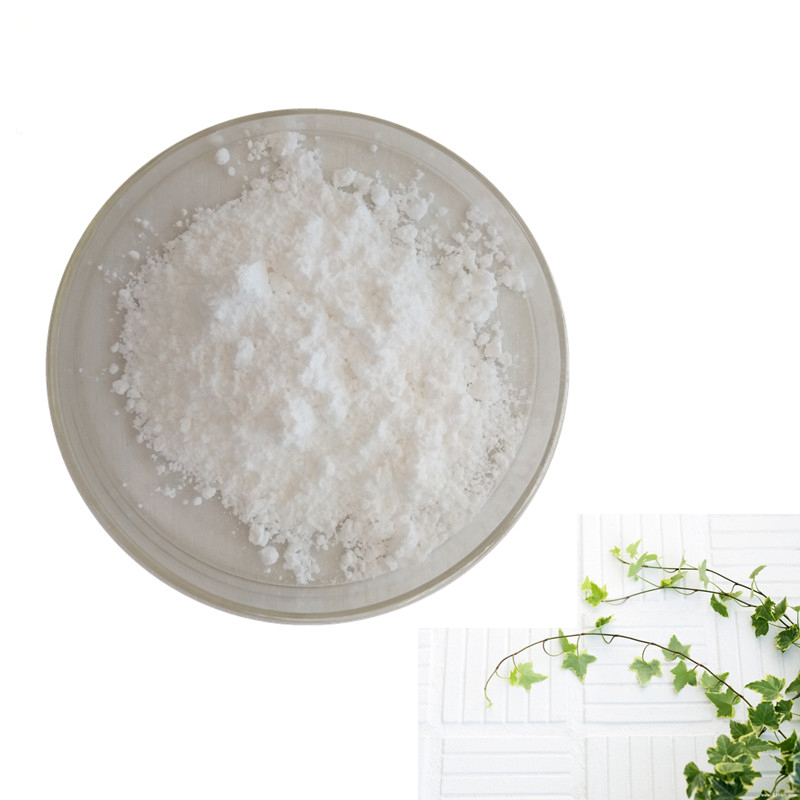
Hyaluronic Acid

SCC offers high, medium, low molecular weight, and oligomeric hyaluronic acid powder (Sodium Hyaluronate), suitable for skincare, joint injection, eye drops, drug carriers, and food supplements.

We Supply

Hyaluronic Acid
Medical Grade Hyaluronic Acid
Cosmetic Grade Hyaluronic Acid
Food Grade Hyaluronic Acid
Injectable hyaluronic acid
products / show
  • 9
  • 12
  • 24
  • 36
Products by Page
products / show
  • 9
  • 12
  • 24
  • 36
Products by Page

5 Uses of Sodium Hyaluronate Powder

Food Grade Hyaluronic Acid / Hyaluronic Acid for Supplement

  • Common food: beverage, jelly, dairy products, etc.
  • Health food: usually in combination with Collagen,  Vitamins, Chondroitin Sulphate, or Glucosamine to make tablets, capsules, or oral liquids these popular forms
  • Skin care products: cream, emulsion, essence, lotion, gel, facial mask, etc.
  • Beauty products: lipstick, eye shadow, foundation, etc.
  • Cleansing products: facial cleanser, body wash, etc.
  • Hair products: shampoo, hair conditioner, styling gel, hair restorer, etc.
  • For parenteral preparations or oral preparations not including intra-articular and intra-ocular preparations.
  • It can be used in eye drops, contact lens solutions, topical preparations for wound or burn healing, medical lubricants, etc.
  • Medical Grade Sodium Hyaluronate COA

Injection Grade Hyaluronic Acid

  • For parenteral preparations including intra-articular and intra-ocular preparations, such as OVD, intra-articular injections, intradermal injections for aesthetic correction, anti-adhesive products, etc.
  • injectable-grade sodium hyaluronate powder COA

Cross-linked Hyaluronic Acid Powder

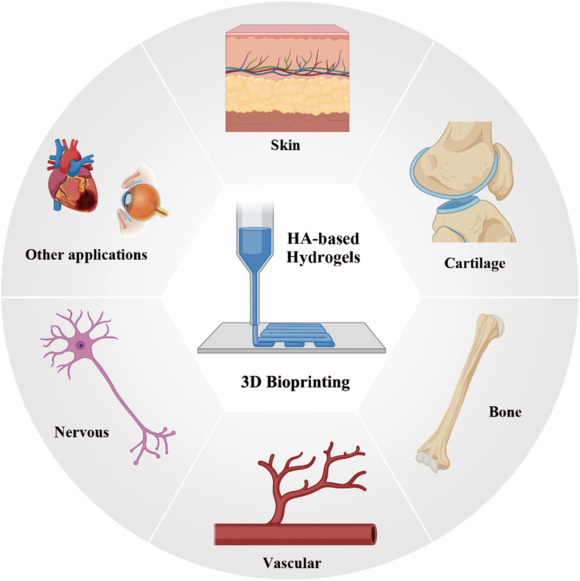
  • Aesthetic Medicine: Used for wrinkle filling and facial contouring with long-lasting effects.
  • Orthopedics: Injected to treat arthritis, lubricate joints, and relieve pain.
  • Surgical Repair: Reduces scarring and promotes wound healing.
  • Ophthalmology: Used as a viscoelastic agent in cataract and vitreous surgeries.
  • Tissue Engineering: Serves as a scaffold material to support soft tissue repair.
  • Drug Delivery: Acts as a carrier for controlled drug release.

Hyaluronic Acid Powder for Sale

Stanford Chemicals is a United States wholesale distributor and manufacturer of pure organic hyaluronic acid. Our products are divided by use:

  • Medical Grade HA
  • Cosmetic Grade HA
  • Food Grade HA
  • Injection Grade HA
  • Cross-linked HA

* Samples are available.

Each product is divided into high, medium, and low molecular weights. See the product table below for details.

Hyaluronic Acid Powder for Sale:

Main Product

Item No.

Specification

Food Grade

Sodium Hyaluronate

HAF-Micro-SC

M.W: <5 K Da

Ultra Low Molecular Weight

HAF-Oligo-SC

M.W: 5-10 K Da

Low Molecular Weight

HAF-N-SC

M.W: 200-600 K Da

HAF-L-SC

M.W: 100-1,000 K Da(800 KDa)

HAF-M-SC

M.W: 800-1,600 K Da

Middle Molecular Weight

HAF-H-SC

M.W: >1,800 K Da

High Molecular Weight

HAF-C-SC

Customized Molecular weight

Cosmetic Grade

Sodium Hyaluronate

HAC-Micro-SC

M.W: <5 K Da

Ultra Low Molecular Weight

HAC-Oligo-SC

M.W: 5-10 K Da

Low Molecular Weight

HAC-N-SC

M.W: 200-600 K Da

HAC-L-SC

M.W: 100-1,000 K Da(800 KDa)

HAC-M-SC

M.W: 800-1,600 K Da

Middle Molecular Weight

HAC-H-SC

M.W: >1,800 K Da

High Molecular Weight

HAC-C-SC

Customized Molecular weight

Medical Grade

Sodium Hyaluronate

HA-EM2.0-SC

M.W: 800K-1,300K Da,

I.V.: 1.44-2.12 m3/kg

HA-EM2.4-SC

M.W: 1,300K-1,800K Da;

I.V: 2.12-2.72 m3/kg

HA-EM3.0-SC

M.W:1,800K-2,500K Da;

I.V.: 2.72-3.53 m3/kg

HA-EMC-SC

Customized Molecular weight

Injection Grade

Sodium Hyaluronate

HA-EP1.8-SC

M.W: 800K-1,300K Da,

I.V.: 1.44-2.12 m3/kg

HA-EP2.4-SC

M.W: 1,300K-1,800K Da;

I.V: 2.12-2.72 m3/kg

HA-EP3.0-SC

M.W:1,800K-2,500K Da;

I.V.: 2.72-3.53 m3/kg

HA-EPC-SC

Customized Molecular weight


In addition to these sodium hyaluronate powders, we also offer Cross-linked HA with greater molecular weightmore stable formbetter resistance to degradation, and longer lasting moisturizing effect.

Why Choose Us

Our sodium hyaluronate powder is produced by bacterial fermentation technology, ensuring a 100% non-animal hyaluronic acid source. It is vegan-friendly and kosher compliant, meeting the highest purity standard for various applications.

As one of the leading suppliers of hyaluronic acid source, we are involved in offering high-quality sodium hyaluronate raw materials to the USA, Canada, and European buyers. The industries range from food supplements, cosmetics, eye drops, and pharmaceuticals.

Our products have obtained relevant certifications, which shows the safety of the products.

  • ISO 9001 (Quality Management System)
  • ISO 14001 (Environmental Management System)
  • ISO 22000 (Food Safety Management System)

Note: ISO sets standards, and certification bodies such as QAC are responsible for evaluating whether companies meet these standards and issuing corresponding certifications.

Hyaluronic Acid Specifications

With injectable-grade hyaluronic acid powder as the reference data, it represents the highest quality standard. The table below shows the specifications of product HA-EP2.4-SC.

Item

Certificate of Analysis Details

Results

Characters

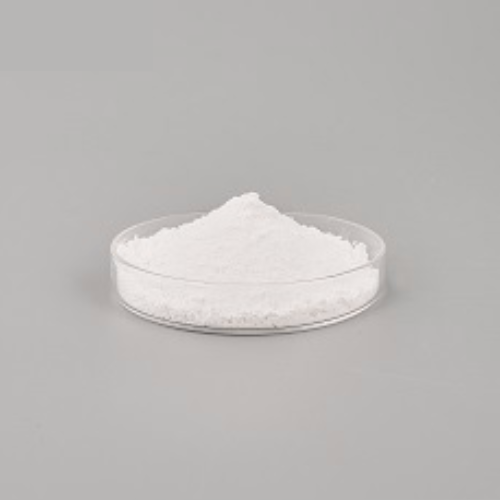
White or almost white powder or fibrous aggregate

White powder

Identification A(Infrared absorption)

Complies with Ph. Eur. Reference spectrum of Sodium hyaluronate

Complies

Identification B(Reaction (a) of sodium)

Positive

Positive

Appearance of Solution

Clear (A600nm≤0.01)

0.000

pH

5.0 – 8.5

6.4

Intrinsic Viscosity

2.2 – 2.8 m3/kg

2.40 m3/kg

Nucleic Acids

A260nm≤0.5

0.006

Protein

≤ 0.1%

<0.003%

Chlorides

≤ 0.5%

<0.5%

Iron

≤ 30 ppm

2 ppm

Loss on Drying

≤ 18.0%

8.0%

Microbial Contamination (TAMC)

≤ 100 cfu/g

<20 cfu/g

Bacterial Endotoxins

<0.05 IU/mg

<0.05 IU/mg

Residual Solvents (Ethanol)

≤ 5000 ppm

99 ppm

Assay

95.0% – 105.0% (dried substance)

100.4%


Solubility of sodium hyaluronate in different solvents

Property

Solubility

Optimal Temperature

Optimal pH

Water

High solubility

20-40°C

5.5-7.5

Oil

Insoluble

/

/

Organic Solvent

Very low to insoluble

/

/

Ethanol

Very low to insoluble

/

/

Methanol

Very low to insoluble

/

/

Alcohol

Very low to insoluble

/

/

Glycerine

Moderate solubility

30-40°C

5.5-7.5


FAQ

What is the difference between medical-grade and cosmetic-grade hyaluronic acid?

Medical grade is of higher purity and safety standards and is used in medical applications, while cosmetic grade is more focused on function and end-user perception and is used for routine skin care.

What is the difference between food-grade hyaluronic acid and medical-grade oral products?

Food grade is applied to normal foods and falls under loose regulations, while medical grade oral products need more rigorous drug standards, including drug purity and bioavailability testing.

Why do hyaluronic acids with different molecular weights have such different effects on skin?

Molecular weight directly affects skin penetration rate and the mechanism of action.

  • High molecular weight mainly forms a moisturizing film on the skin surface;
  • Medium molecular weight can penetrate the stratum corneum;
  • Low molecular weight can reach the dermis to stimulate collagen regeneration;
  • Oligomeric HA (<10kDa) even has cell signaling regulation functions.
What is the essential difference between microbial fermentation and animal extraction methods?

The fermentation method uses genetically engineered strains (such as Streptococcus) cultured in a sterile environment, with high product purity and no animal-derived risks; the traditional extraction method extracts from tissues such as rooster combs and is prone to residual heterologous proteins. It has now been phased out by the mainstream market.

Get a Quote

Send us an inquiry now to find out more information and the latest prices, thanks!
Product Name
Quantity
Name
Email
Phone
Company
Application
Country
United States
  • United States
  • Afghanistan
  • Aland Islands
  • Albania
  • Algeria
  • American Samoa
  • Andorra
  • Angola
  • Anguilla
  • Antarctica
  • Antigua and Barbuda
  • Argentina
  • Armenia
  • Aruba
  • Australia
  • Austria
  • Azerbaijan
  • Bahamas
  • Bahrain
  • Bangladesh
  • Barbados
  • Belarus
  • Belgium
  • Belize
  • Benin
  • Bermuda
  • Bhutan
  • Bolivia
  • Bosnia and Herzegovina
  • Botswana
  • Bouvet Island
  • Brazil
  • British Indian Ocean Territory
  • British Virgin Islands
  • Brunei
  • Bulgaria
  • Burkina Faso
  • Burundi
  • Cambodia
  • Cameroon
  • Canada
  • Cape Verde
  • Cayman Islands
  • Central African Republic
  • Chad
  • Chile
  • China
  • Christmas Island
  • Cocos (Keeling) Islands
  • Colombia
  • Comoros
  • Congo
  • Cook Islands
  • Costa Rica
  • Croatia
  • Cuba
  • Cyprus
  • Czech Republic
  • Democratic Republic of Congo
  • Denmark
  • Disputed Territory
  • Djibouti
  • Dominica
  • Dominican Republic
  • East Timor
  • Ecuador
  • Egypt
  • El Salvador
  • Equatorial Guinea
  • Eritrea
  • Estonia
  • Ethiopia
  • Falkland Islands
  • Faroe Islands
  • Federated States of Micronesia
  • Fiji
  • Finland
  • France
  • French Guyana
  • French Polynesia
  • French Southern Territories
  • Gabon
  • Gambia
  • Georgia
  • Germany
  • Ghana
  • Gibraltar
  • Greece
  • Greenland
  • Grenada
  • Guadeloupe
  • Guam
  • Guatemala
  • Guinea
  • Guinea-Bissau
  • Guyana
  • Haiti
  • Heard Island and Mcdonald Islands
  • Honduras
  • Hong Kong
  • Hungary
  • Iceland
  • India
  • Indonesia
  • Iran
  • Iraq
  • Iraq-Saudi Arabia Neutral Zone
  • Ireland
  • Israel
  • Italy
  • Ivory Coast
  • Jamaica
  • Japan
  • Jordan
  • Kazakhstan
  • Kenya
  • Kiribati
  • Kuwait
  • Kyrgyzstan
  • Laos
  • Latvia
  • Lebanon
  • Lesotho
  • Liberia
  • Libya
  • Liechtenstein
  • Lithuania
  • Luxembourg
  • Macau
  • Macedonia
  • Madagascar
  • Malawi
  • Malaysia
  • Maldives
  • Mali
  • Malta
  • Marshall Islands
  • Martinique
  • Mauritania
  • Mauritius
  • Mayotte
  • Mexico
  • Moldova
  • Monaco
  • Mongolia
  • Montenegro
  • Montserrat
  • Morocco
  • Mozambique
  • Myanmar
  • Namibia
  • Nauru
  • Nepal
  • Netherlands Antilles
  • Netherlands
  • New Caledonia
  • New Zealand
  • Nicaragua
  • Niger
  • Nigeria
  • Niue
  • Norfolk Island
  • North Korea
  • Northern Mariana Islands
  • Norway
  • Oman
  • Pakistan
  • Palau
  • Palestinian Territories
  • Panama
  • Papua New Guinea
  • Paraguay
  • Peru
  • Philippines
  • Pitcairn Islands
  • Poland
  • Portugal
  • Puerto Rico
  • Qatar
  • Reunion
  • Romania
  • Russia
  • Rwanda
  • Saint Helena and Dependencies
  • Saint Kitts and Nevis
  • Saint Lucia
  • Saint Pierre and Miquelon
  • Saint Vincent and the Grenadines
  • Samoa
  • San Marino
  • Sao Tome and Principe
  • Saudi Arabia
  • Senegal
  • Serbia
  • Seychelles
  • Sierra Leone
  • Singapore
  • Slovakia
  • Slovenia
  • Solomon Islands
  • Somalia
  • South Africa
  • South Georgia and South Sandwich Islands
  • South Korea
  • Spain
  • Spratly Islands
  • Sri Lanka
  • Sudan
  • Suriname
  • Svalbard and Jan Mayen
  • Swaziland
  • Sweden
  • Switzerland
  • Syria
  • Taiwan
  • Tajikistan
  • Tanzania
  • Thailand
  • Togo
  • Tokelau
  • Tonga
  • Trinidad and Tobago
  • Tunisia
  • Turkey
  • Turkmenistan
  • Turks And Caicos Islands
  • Tuvalu
  • US Virgin Islands
  • Uganda
  • Ukraine
  • United Arab Emirates
  • United Kingdom
  • United States
  • United States Minor Outlying Islands
  • Uruguay
  • Uzbekistan
  • Vanuatu
  • Vatican City
  • Venezuela
  • Vietnam
  • Wallis and Futuna
  • Western Sahara
  • Yemen
  • Zambia
  • Zimbabwe
Comments
I would like to join the mailing list to receive updates from Stanford Chemicals.
Captcha

: E-mail address with your company's domain name is preferred. Otherwise, we may not be able to process your inquiry.