
The truth is, not only can hyaluronic acid and lactic acid be used together, but when formulated well, they can actually work in harmony to deliver better results.
How Hyaluronic Acid and Lactic Acid Work
Hyaluronic acid is basically a moisture magnet. It grabs water and holds onto it, which keeps skin looking full and helps protect its natural barrier.
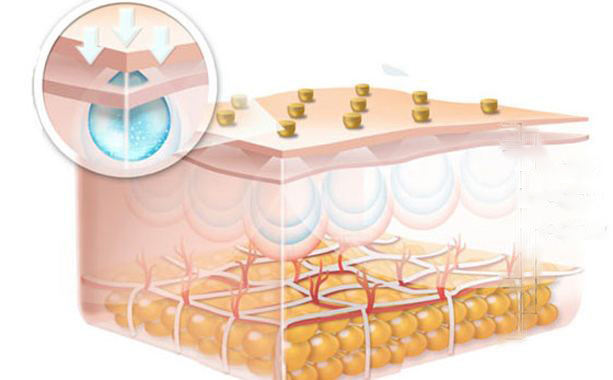
Lactic acid is one of those gentle chemical exfoliants. It works by sloughing off that top layer of dull, dead skin. The result? Skin looks smoother, more radiant, and even-toned. It's also great for minimizing the look of pores and fine lines.
Now, from a product-making point of view, putting these two together is a bit of a balancing act. The main thing is pH. Lactic acid needs a slightly acidic environment to do its job. Hyaluronic acid is pretty easygoing and works across different pH levels. So, a good formula is tweaked just right to let both ingredients shine without stepping on each other's toes.
Why Hyaluronic Acid and Lactic Acid Work Well Together
Think of lactic acid as your gentle sweeper. It clears away dead skin cells, which then allows hyaluronic acid to sink in and hydrate your skin way better.
When it comes to the actual formula, how much of each ingredient you use really matters. In products you can buy off the shelf, lactic acid usually sits between 5% and 10%, while hyaluronic acid is often around 0.1% to 2%. That mix gives you a good balance. Enough exfoliation from the lactic acid, plus plenty of calming hydration from the hyaluronic acid.
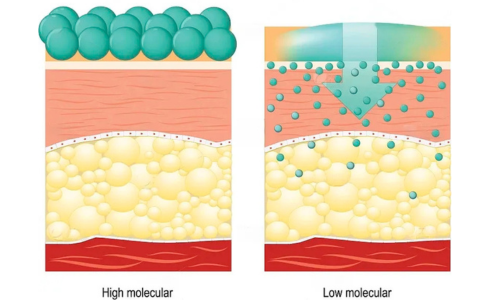
Some of the fancier formulas even use different sizes of hyaluronic acid molecules: the tiny ones dive deep to hydrate underneath, and the bigger ones hang out on the surface to lock everything in with a protective film.
And here’s a cool thing about lactic acid—it’s actually a humectant, so it adds hydration while it’s exfoliating. Hyaluronic acid then kicks in to help pull moisture into your skin and hold it there, keeping things hydrated and strengthening your skin barrier along the way.
How to Use Hyaluronic Acid and Lactic Acid Together
As a general rule, apply lactic acid first, followed by hyaluronic acid.
After cleansing, smooth on your lactic acid product, wait a few minutes for it to absorb, then layer on hyaluronic acid serum before finishing with moisturizer or cream.
These days, many serums and toners already combine both ingredients. These pre-formulated products have usually undergone stability and irritation testing, making them a safer and more reliable option than mixing separate products yourself. If you do layer separately, it helps to check the ingredient lists to avoid combining with metals or other potentially reactive ingredients.
If you’re new to this combination or have sensitive skin, start with a low concentration of lactic acid, using it just two or three times a week to let your skin adjust. You can also alternate—try lactic acid at night and hyaluronic acid in the morning until your skin gets used to it.
What to Keep in Mind
If your skin's feeling sensitive, looking red, or starting to peel, it's probably best to hold off on acids for a bit. Just stick to simple, soothing hydration that helps repair your skin barrier—give it time to settle down.
Most well-made products these days also add in extra calming ingredients, like panthenol or centella asiatica (cica) extract, to make them even gentler. When you’re picking something out, check for details like the pH level or whether the product says it’s been tested for sensitive skin.
And heads up—lactic acid can make your skin way more sun-sensitive, so wearing sunscreen every day is non-negotiable. Slather it on every morning to help avoid getting burned or ending up with dark spots.
If you experience ongoing stinging or discomfort, reduce how often you use the product or switch to a lower concentration.
Bottom Line
All in all, hyaluronic acid and lactic acid make a smart skincare pairing. From a formulation perspective, they’re not only compatible—with careful pH balancing, concentration ratios, and stability control—they can actually enhance each other’s benefits. One gently exfoliates and brightens, while the other deeply hydrates and soothes.
By choosing the right concentration for your skin, introducing them gradually, and always wearing sunscreen, most people can safely enjoy this combination. With so many well-formulated duo products now available, it’s easier than ever to get both benefits in one simple step.
Stanford Chemicals Company (SCC) offers a variety of raw materials for cosmetics and personal care products, including hyaluronic acid, panthenol, centella asiatica extract, and more. For additional products, please refer to the homepage.