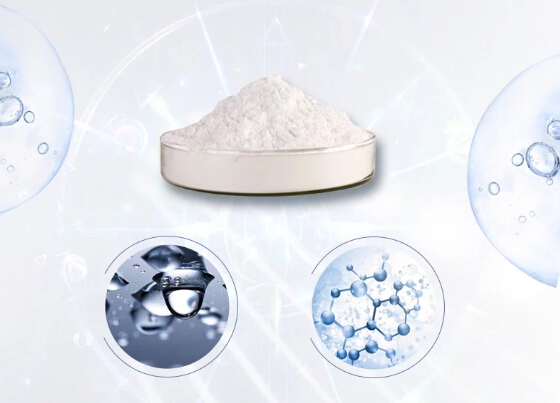
HA4763 Pure Cosmetic-Grade Hyaluronic Acid Powder for Skin, Molecular Weight 100-1000 KDa(800 KDa) (HAC-L-SC)

About This Item

Catalog No.
HA4763

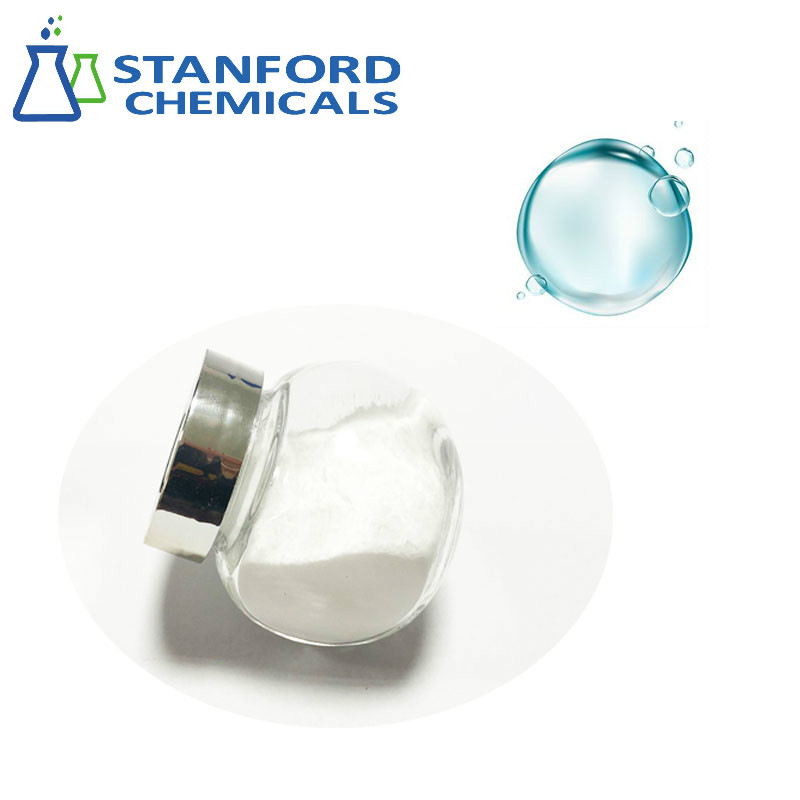
Stanford Chemicals Company (SCC) offers Cosmetic-Grade HAF-L-SC Hyaluronic Acid for skin care applications. High Molecular Weight, 100-1000 KDa(800 KDa). CAS Number: 9067-32-7. Samples are available.

Related Products:
Food Grade Sodium Hyaluronate, Medical Grade Sodium HyaluronateInjection Grade Sodium HyaluronateCross-linked HA Gel Hyaluronic Acid​

Quantity

kg

Technical Service

Need help? Our team of experienced scientists is here for you.

Description

Pure Cosmetic-Grade Hyaluronic Acid Powder Molecular Weight 100-1000 KDa(800 KDa) (HAC-L-SC) Introduction

Hyaluronan as a function of raw material is widely used in cosmetics in the following aspects:

  1. Moisturizing and film-forming properties
  2. Anti-Wrinkles
  3. Anti-Irritation
  4. Nutrition delivery
  5. Free radical scavenging

Pure Cosmetic-Grade Hyaluronic Acid Powder Molecular Weight 100-1000 KDa(800 KDa) (HAC-L-SC) Features

1. Reliable and safe:

Stanford Chemicals Company (SCC), a prominent organic hyaluronic acid wholesaler based in the USA, proudly presents its Ecocert-certified Cosmetics Grade Hyaluronic Acid. Our production adheres strictly to ISO 9001 and GMP standards, ensuring the highest quality.

Derived solely from fermentation, our pure sodium hyaluronate powder is non-animal sourced, non-GMO, and free from any BSE/TSE risks. Within our comprehensive range, you'll find high, middle, and low molecular weight natural hyaluronic acid powder, all meeting vegan standards and adhering to kosher guidelines. Notably, our HAC-C-SC stands out as a Cosmetic-Grade Sodium Hyaluronate Powder, customizable in molecular weight to suit specific cosmetic formulations.

2. High-purity and lower impurities: higher glucuronic acid content, lower protein, heavy metals, and nucleic acid content, compared with other cosmetics grade hyaluronic acid in the market.

3. Different molecular weight ranges to meet different customers’ needs.

Pure Cosmetic-Grade Hyaluronic Acid Powder Molecular Weight 100-1000 KDa(800 KDa) (HAC-L-SC) Functions

  • Nourishing the skin, long-lasting moisturizing;
  • Lubricating and film-forming, moisturizing, preventing skin damage, thickening and keeping emulsion stable;
  • Trans-dermal absorption, deep hydrating, anti-aging, repairing skin damage.
  • HMW-HA primarily sits on the skin's surface, forming a hydrating and protective barrier. It helps retain moisture, plumps up the skin, and reduces the appearance of fine lines and wrinkles.
  • Often used in moisturizers, creams, and serums for hydration and anti-aging purposes.

SDS of Cosmetic Grade HA:

Pure Cosmetic-Grade Hyaluronic Acid Powder Products

Main Product Item No. Specification
Cosmetic Grade Hyaluronic Acid HAC-Micro-SC M.W: <5 K Da Ultra Low Molecular Weight
HAC-Oligo-SC M.W: 5-10 K Da Low Molecular Weight
HAC-N-SC M.W: 200-600 K Da
HAC-L-SC M.W: 100-1,000 K Da(800 KDa)
HAC-M-SC M.W: 800-1,600 K Da Middle Molecular Weight
HAC-H-SC M.W: >1,800 K Da High Molecular Weight
HAC-C-SC Customized Molecular weight


FAQs

1. What is hyaluronic acid composed of?
HA consists of repetitive disaccharide units of D-glucuronic acid and N-acetylglucosamine to form a long-chain polysaccharide.
2. What do hyaluronic acid molecules perform?
Hyaluronic acid molecules have an excellent water-binding capacity, with one gram having the capacity to bind up to six liters of water in an effort to maintain skin hydration, volume, and structural support.
3. What molecular weight is best for hyaluronic acid for skin?
The most effective approach is utilizing multiple molecular weights together:

  • low molecular weight for penetrating deep;
  • medium molecular weight for hydrating the mid-layer;
  • high molecular weight to safeguard the surface, synergizing together for total skin hydration.

4. What are the benefits of low molecular weight hyaluronic acid?
Low molecular weight sodium hyaluronate penetrates 
deep into the dermis in a bid to trigger collagen formation, reduce wrinkle appearance, and provide long-lasting hydration on a cellular level.
5. What are the benefits of high molecular weight hyaluronic acid?
High molecular weight sodium hyaluronate forms a protective barrier on the skin surface, producing instant plumping action, reducing transepidermal water loss, and strengthening the skin’s natural moisture barrier.
6. What are the benefits of middle molecular weight hyaluronic acid?
Middle-molecular-weight sodium hyaluronate maximizes hydration in the mid-layers of the skin, enhances elasticity, and acts as a bridge between surface protection and deep moisturizing.

Related Articles:

sodium hyaluronate Powder: The Acne-Prone Skin Savior
Hyaluronic Acid vs. Ceramides: Which Works Better

 

Reviews

5 Stars
2
4 Stars
0
3 Stars
0
2 Stars
0
1 Stars
0
Write a review

Get a Quote

Send us an inquiry now to find out more information and the latest prices, thanks!
Product Name
Quantity
Name
Email
Phone
Company
Application
Country
United States
  • United States
  • Afghanistan
  • Aland Islands
  • Albania
  • Algeria
  • American Samoa
  • Andorra
  • Angola
  • Anguilla
  • Antarctica
  • Antigua and Barbuda
  • Argentina
  • Armenia
  • Aruba
  • Australia
  • Austria
  • Azerbaijan
  • Bahamas
  • Bahrain
  • Bangladesh
  • Barbados
  • Belarus
  • Belgium
  • Belize
  • Benin
  • Bermuda
  • Bhutan
  • Bolivia
  • Bosnia and Herzegovina
  • Botswana
  • Bouvet Island
  • Brazil
  • British Indian Ocean Territory
  • British Virgin Islands
  • Brunei
  • Bulgaria
  • Burkina Faso
  • Burundi
  • Cambodia
  • Cameroon
  • Canada
  • Cape Verde
  • Cayman Islands
  • Central African Republic
  • Chad
  • Chile
  • China
  • Christmas Island
  • Cocos (Keeling) Islands
  • Colombia
  • Comoros
  • Congo
  • Cook Islands
  • Costa Rica
  • Croatia
  • Cuba
  • Cyprus
  • Czech Republic
  • Democratic Republic of Congo
  • Denmark
  • Disputed Territory
  • Djibouti
  • Dominica
  • Dominican Republic
  • East Timor
  • Ecuador
  • Egypt
  • El Salvador
  • Equatorial Guinea
  • Eritrea
  • Estonia
  • Ethiopia
  • Falkland Islands
  • Faroe Islands
  • Federated States of Micronesia
  • Fiji
  • Finland
  • France
  • French Guyana
  • French Polynesia
  • French Southern Territories
  • Gabon
  • Gambia
  • Georgia
  • Germany
  • Ghana
  • Gibraltar
  • Greece
  • Greenland
  • Grenada
  • Guadeloupe
  • Guam
  • Guatemala
  • Guinea
  • Guinea-Bissau
  • Guyana
  • Haiti
  • Heard Island and Mcdonald Islands
  • Honduras
  • Hong Kong
  • Hungary
  • Iceland
  • India
  • Indonesia
  • Iran
  • Iraq
  • Iraq-Saudi Arabia Neutral Zone
  • Ireland
  • Israel
  • Italy
  • Ivory Coast
  • Jamaica
  • Japan
  • Jordan
  • Kazakhstan
  • Kenya
  • Kiribati
  • Kuwait
  • Kyrgyzstan
  • Laos
  • Latvia
  • Lebanon
  • Lesotho
  • Liberia
  • Libya
  • Liechtenstein
  • Lithuania
  • Luxembourg
  • Macau
  • Macedonia
  • Madagascar
  • Malawi
  • Malaysia
  • Maldives
  • Mali
  • Malta
  • Marshall Islands
  • Martinique
  • Mauritania
  • Mauritius
  • Mayotte
  • Mexico
  • Moldova
  • Monaco
  • Mongolia
  • Montenegro
  • Montserrat
  • Morocco
  • Mozambique
  • Myanmar
  • Namibia
  • Nauru
  • Nepal
  • Netherlands Antilles
  • Netherlands
  • New Caledonia
  • New Zealand
  • Nicaragua
  • Niger
  • Nigeria
  • Niue
  • Norfolk Island
  • North Korea
  • Northern Mariana Islands
  • Norway
  • Oman
  • Pakistan
  • Palau
  • Palestinian Territories
  • Panama
  • Papua New Guinea
  • Paraguay
  • Peru
  • Philippines
  • Pitcairn Islands
  • Poland
  • Portugal
  • Puerto Rico
  • Qatar
  • Reunion
  • Romania
  • Russia
  • Rwanda
  • Saint Helena and Dependencies
  • Saint Kitts and Nevis
  • Saint Lucia
  • Saint Pierre and Miquelon
  • Saint Vincent and the Grenadines
  • Samoa
  • San Marino
  • Sao Tome and Principe
  • Saudi Arabia
  • Senegal
  • Serbia
  • Seychelles
  • Sierra Leone
  • Singapore
  • Slovakia
  • Slovenia
  • Solomon Islands
  • Somalia
  • South Africa
  • South Georgia and South Sandwich Islands
  • South Korea
  • Spain
  • Spratly Islands
  • Sri Lanka
  • Sudan
  • Suriname
  • Svalbard and Jan Mayen
  • Swaziland
  • Sweden
  • Switzerland
  • Syria
  • Taiwan
  • Tajikistan
  • Tanzania
  • Thailand
  • Togo
  • Tokelau
  • Tonga
  • Trinidad and Tobago
  • Tunisia
  • Turkey
  • Turkmenistan
  • Turks And Caicos Islands
  • Tuvalu
  • US Virgin Islands
  • Uganda
  • Ukraine
  • United Arab Emirates
  • United Kingdom
  • United States
  • United States Minor Outlying Islands
  • Uruguay
  • Uzbekistan
  • Vanuatu
  • Vatican City
  • Venezuela
  • Vietnam
  • Wallis and Futuna
  • Western Sahara
  • Yemen
  • Zambia
  • Zimbabwe
Comments
I would like to join the mailing list to receive updates from Stanford Chemicals.
Check Code