Description
Alkyl Polyglucoside surfactants (APG) are nononic surfactants, obtained from renewable, natural raw materials, such as vegetable oils and starch. Their first-rate environmental and skin compatibility profiles fit in well with consumer demands for wellness, green solutions, mildness to human skin, and safety for human health. Furthermore, they contribute to various performance benefits in personal and home care products as well as I&I applications.
Properties
| Property |
Description |
| Aliases |
Alkyl Polyglucoside, Alkyl Polyglycoside, Alkyl Polyoside |
| Appearance |
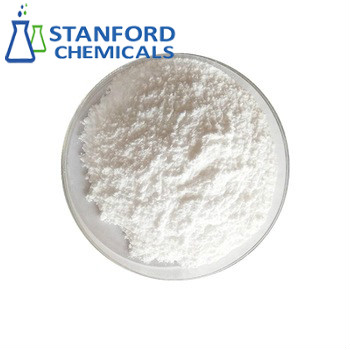
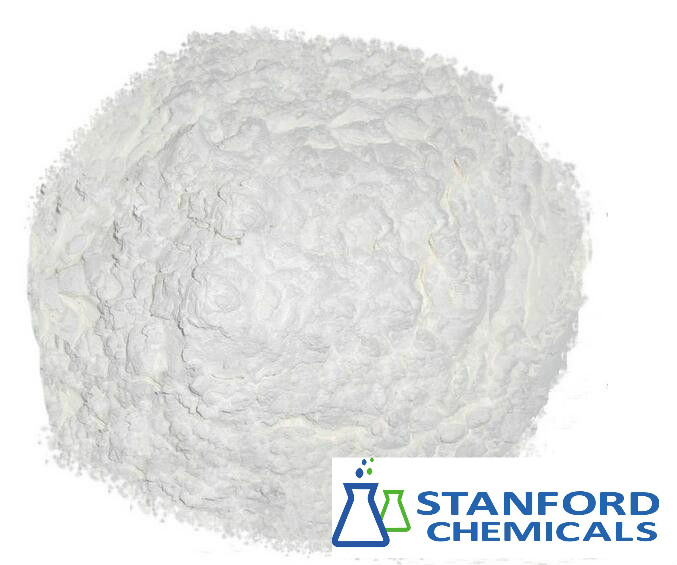
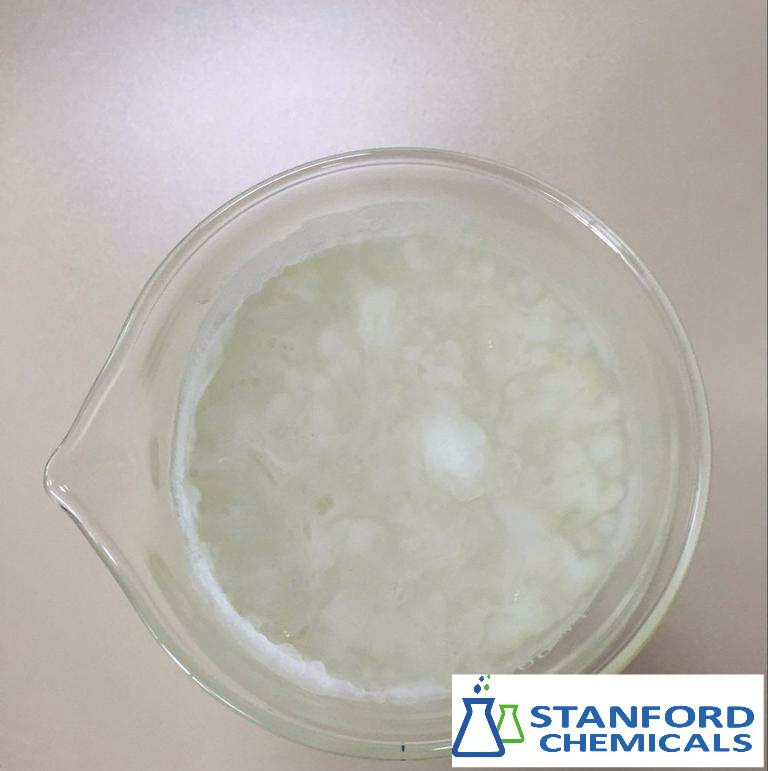
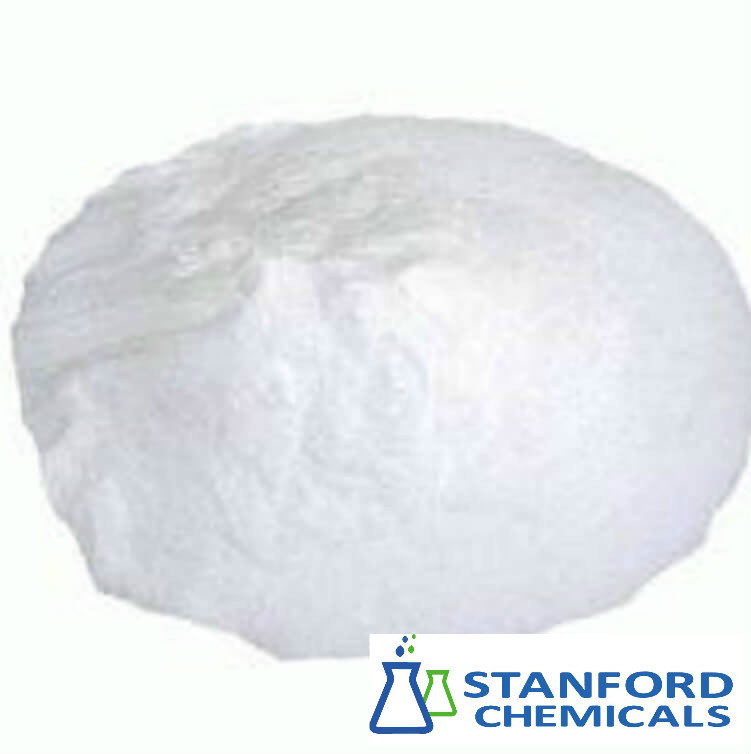
Pure product typically appears as white or light yellow powder |
| Degree of Polymerization |
1.2~1.8 |
| Classification |
Nonionic surfactant |
| HLB Value |
Mostly below 20 |
| Decomposition Temperature |
Above 270°C |
| Surface Tension |
21~36 mN/m (in water, at 60°C) |
Benefits
1) nonionic surfactants, low surface tension, good foaming ability. The foams formed are fine, smooth and abundant, and stable.
2) Good wettability, Strong decontamination.
3) Good compatibility with other ingredients, and synergic effect with other surfactants. mild to the skin, and reduce the irritation of the cosmetic formulation system.
4) No turbidity point, easily soluble in water, and high solubility even in high. The concentration of the electrolyte, and easily be diluted, no gel phenomena, Tolerance Io hard water.
5) non-toxicity, non-irritation.
6) environmentally friendly and completely biodegradable.
Uses
Alkyl Polyglucosides (APG) are a new type of green nonionic surfactant. They have many good properties like low surface tension, high biodegradability, being non-toxic, and environmentally friendly. People use APG in many areas including detergents, cosmetics, food, medicine, and textile dyeing.
- In cleaning products, APG is used to make shampoos, body washes, and facial cleansers. It helps reduce irritation to sensitive areas like eyes.
- In cosmetics, it works as an emulsifier and thickener to make products feel better on skin while being gentle. Because APG is very safe, people also use it in dish soaps and laundry detergents.
- For food uses, APG is safe for people and good at mixing with oils. Factories use it to clean food processing machines. It can also be added to foods like dairy products and juices to improve texture. When making bread, it works well with glycerides.
- In industrial uses, APG helps make paper better for printing. When making foam materials, it makes them more heat-resistant and fireproof.
- For farming, APG is good for mixing pesticides because it works even in salty conditions. Farmers also use it on greenhouse plastic to prevent fogging.
Here is a simple table of APG's main uses:
| Use Area |
Product Examples |
Main Functions |
| Home Care |
Shampoos, Baby Soaps, Laundry Detergents |
Gentle cleaning, No eye irritation |
| Cosmetics |
Face Washes, Body Lotions, Creams |
Mixing ingredients, Smooth texture |
| Food Industry |
Bread, Juice, Dairy Products |
Machine cleaning, Food improvement |
| Industrial |
Printing Paper, Fireproof Foam |
Better quality, Safety features |
| Agriculture |
Pesticides, Greenhouse Films |
Effective spraying, Clear views |
Specifications
| Product Name |
INCI Name |
CAS Number |
C-Chain |
Applications |
| SCC 0810 |
Caprylyl/Decyl Glucoside |
68515-73-1 or 161074-97-1 |
C8-C10 |
Personal Care. |
| SCC 8170 |
Caprylyl/Decyl Glucoside |
68515-73-1 or 161074-97-1 |
C8-C10 |
| SCC 1200 |
Lauryl Glucoside |
110615-47-9 or 157707-88-5 |
C12-C16 |
| SCC 2000 |
Decyl Glucoside |
68515-73-1&110615-47-9 or 141464-42-8 |
C8-C16 |
| SCC 818 |
Coco Glucoside |
68515-73-1&110615-47-9 or 141464-42-8 |
C8-C16 |
| SCC 215 |
Caprylyl/Decyl Glucoside |
68515-73-1 or 161074-97-1 |
C8-C10 |
Home care.&Industrial cleaners. Hard surface cleaners. |
| SCC 225N |
Caprylyl/Decyl Glucoside |
68515-73-1 or 161074-97-1 |
C8-C10 |
| SCC 650 |
Coco Glucoside |
68515-73-1&110615-47-9 or 141464-42-8 |
C8-C16 |
| SCC 425N |
Coco Glucoside |
68515-73-1&110615-47-9 or 141464-42-8 |
C8-C16 |
| SCC 6 |
Hexyl Glucoside |
54549-24-5 |
C6 |
| SCC 8 |
ISO-OCTYL Glucoside |
125590-73-0 |
C8 |
| SCC 10 |
Capryl Glucoside |
54549-25-6 |
C10 |
New
| Product Name |
INCI Name |
CAS Number |
Applications |
| SCC 611C |
Sodium Laureth Sulfate, Coco Glucoside, Cocamidopropyl Betaine |
68891-38-3 &141464-42-8 &61789-40-0 |
Personal Care. |
| SCC 611L |
Sodium Laureth Sulfate, Lauryl Glucoside, Cocamidopropyl Betaine |
68891-38-3 &110615-47-9 &61789-40-0 |
| SCC CG |
Coco Glucoside, Glyceryl Oleate |
141464-42-8 &68424-61-3 |
Lipid enhancer. |
FAQs
Q1: Is APG safe?
A1: Yes, APG is safe, non-toxic, gentle on the skin and eyes, and biodegradable.
Q2: What are APG's main uses?
A2: APG is used in personal care products (shampoos, body washes), household cleaners, industrial detergents, and agricultural formulations.
Q3: Is APG eco-friendly?
A3: Yes, it is made from renewable resources and fully biodegradable.